Introduction to Fence Installation for Homeowners
Fences serve a variety of purposes from enhancing privacy to boosting curb appeal. As a homeowner in Whitmore, CA, understanding the basics of fence installation can help you make informed decisions that suit your needs and preferences. In this guide, we'll break down the technical aspects of fence installation into simple terms, making it easy for non-experts to grasp the essentials.
Types of Fences: Which One is Right for You?
Choosing the right type of fence is crucial as it determines the functionality and aesthetics of your property. Here are some popular fence types:
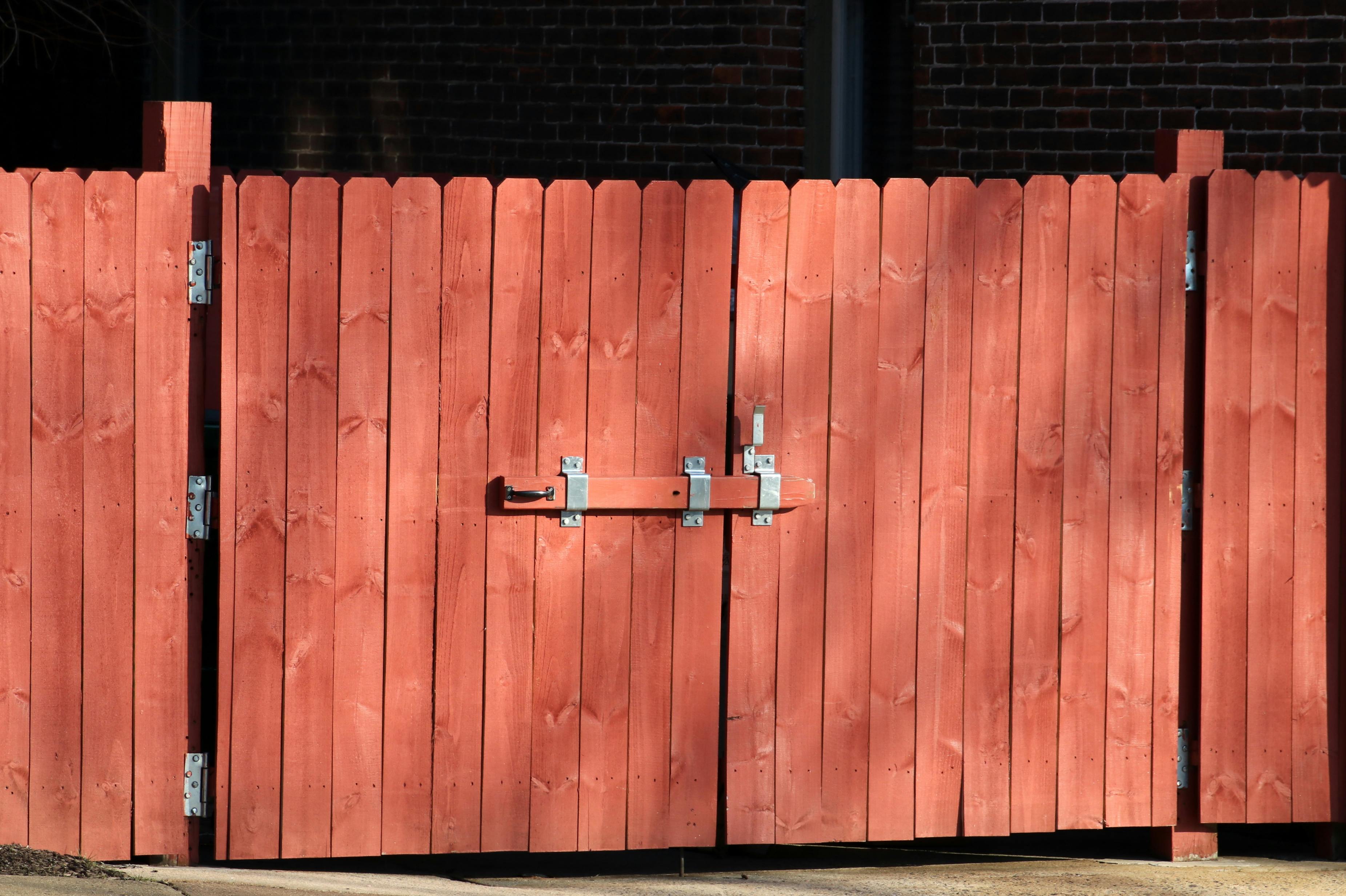
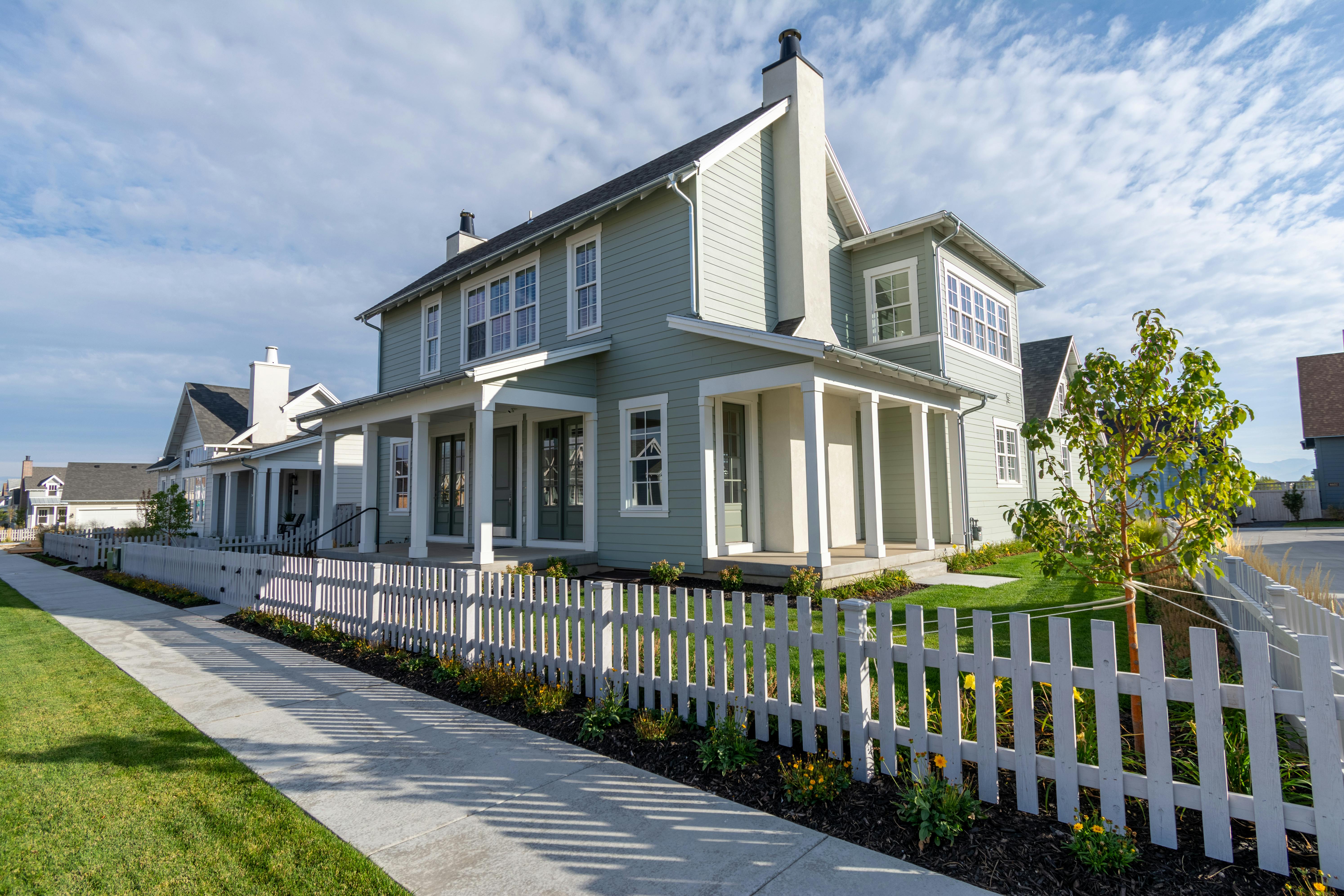
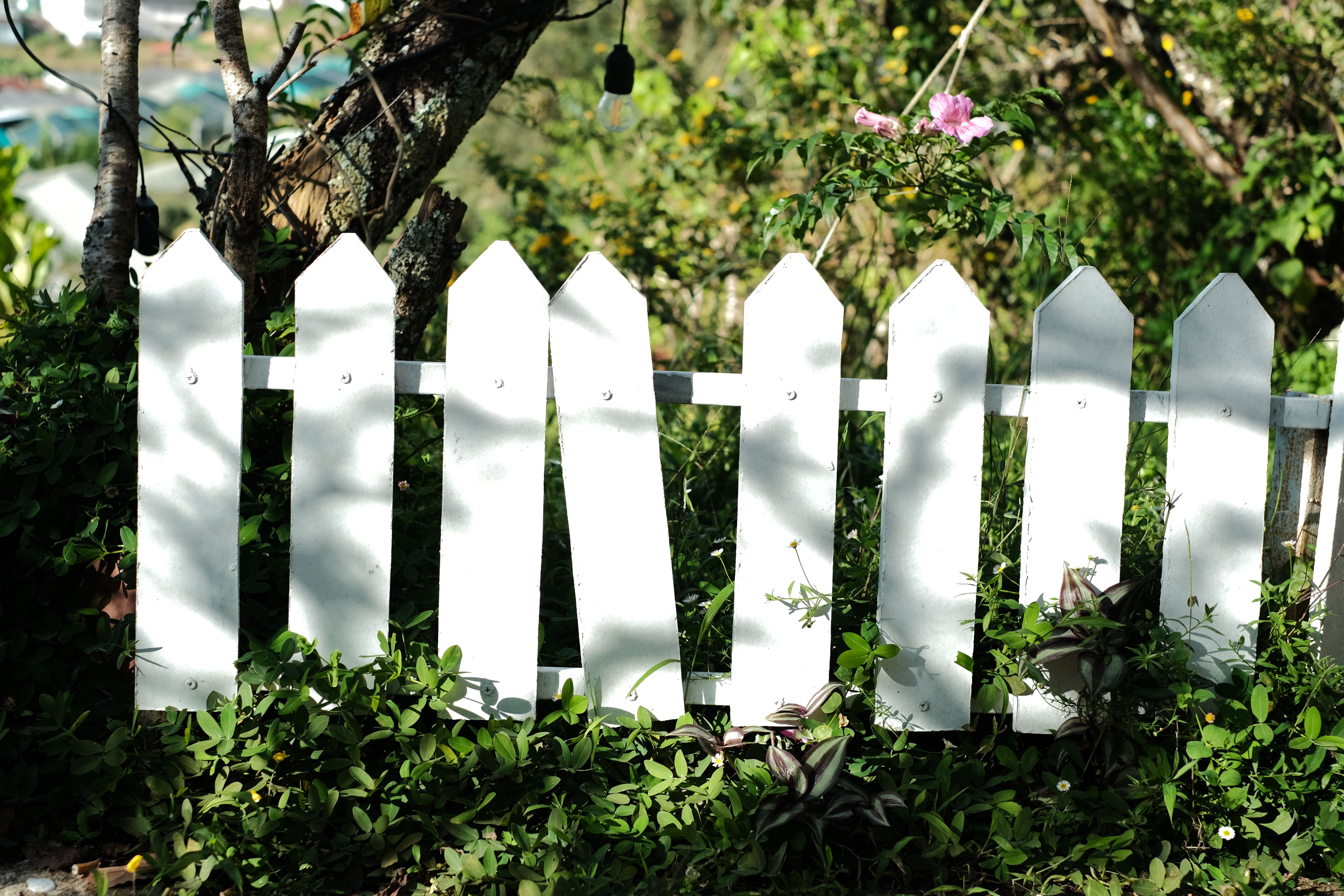
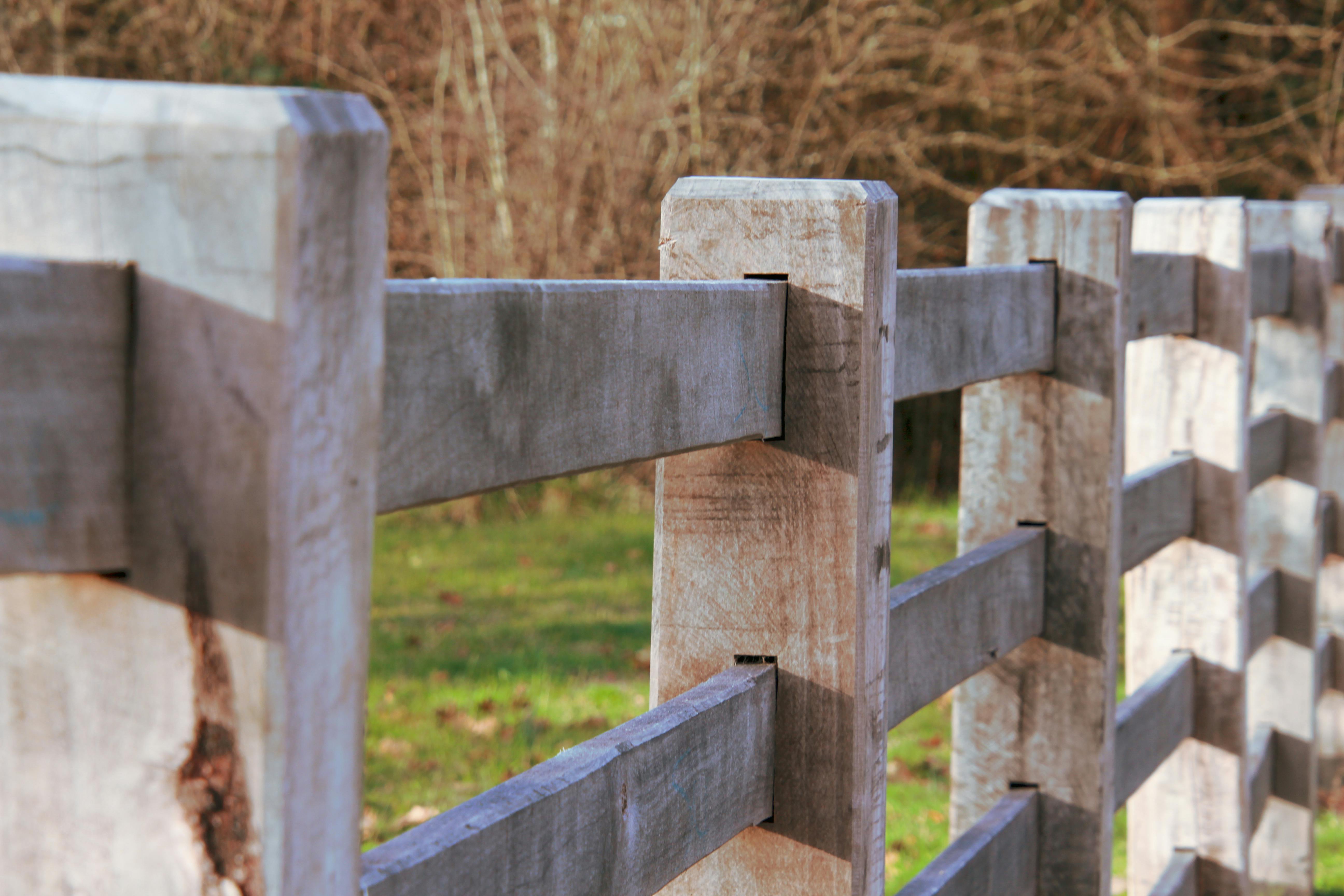
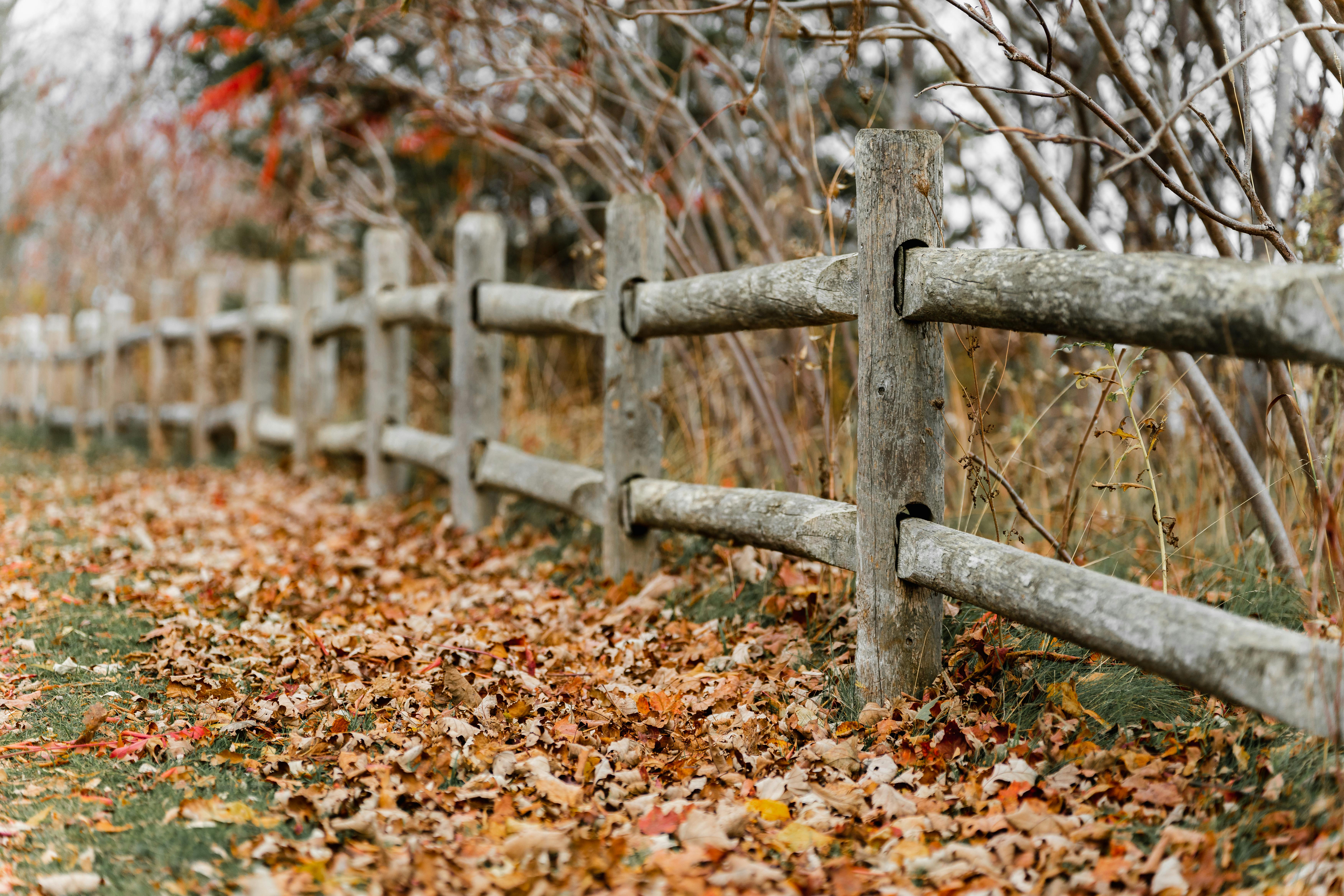
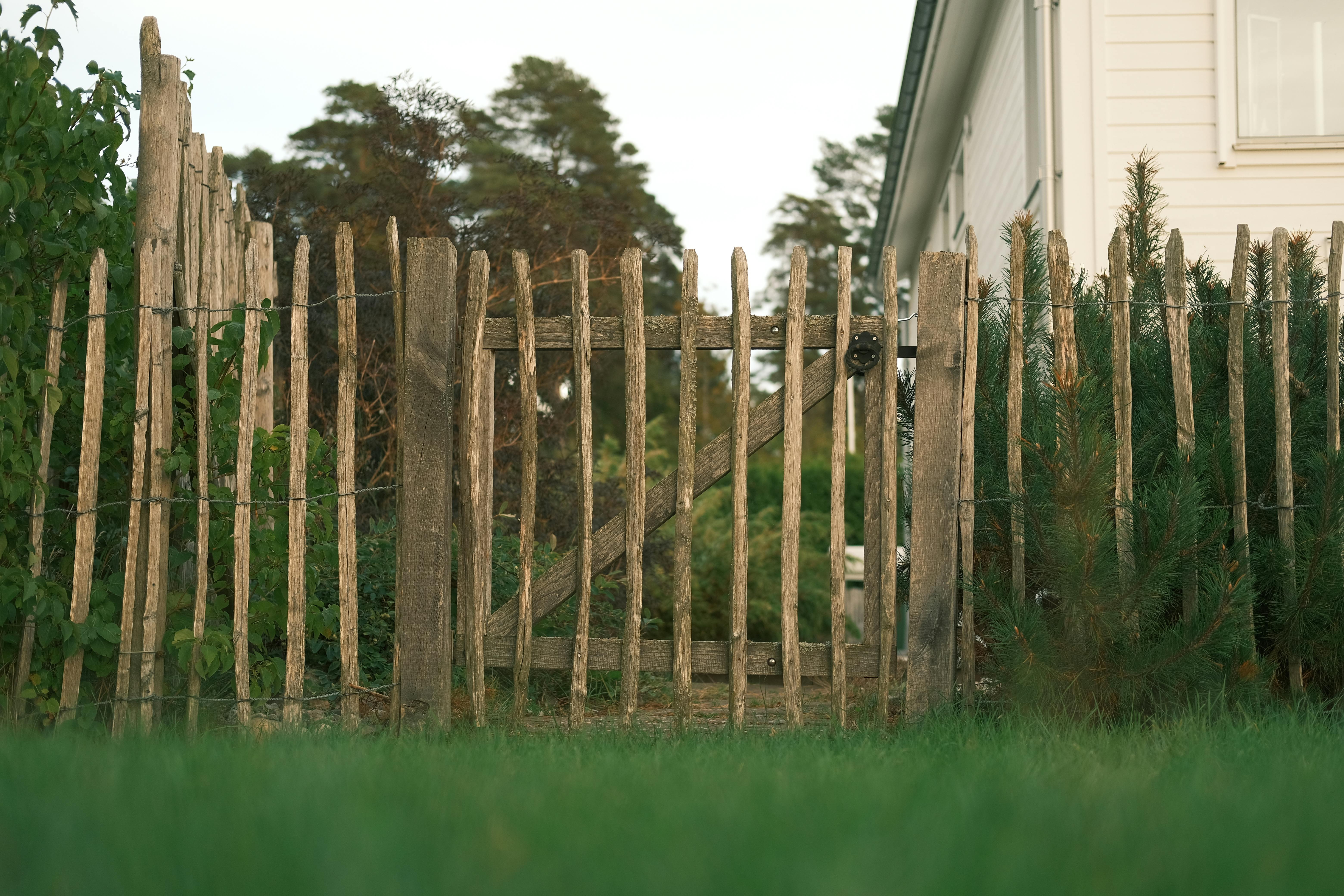
- Wood Fences: Known for their natural beauty, wood fences are versatile and can be customized to fit various styles. However, they require regular maintenance to prevent rot and insect damage.
- Vinyl Fences: These are low-maintenance options that come in a variety of colors and styles. Vinyl fences are durable and resistant to weather conditions, making them ideal for the Whitmore climate.
- Metal Fences: Options include aluminum and wrought iron, offering durability and a classic look. Metal fences are great for security but might require periodic repainting to prevent rust.
- Chain Link Fences: Affordable and functional, chain link fences are perfect for defining boundaries without obstructing views.
Materials Matter: Choosing the Right Material
The materials you choose for your fence can affect its longevity and maintenance requirements. Here's a brief overview of common materials:
- Pressure-Treated Wood: This type of wood is treated with chemicals to resist rot and insect damage, making it a popular choice for wooden fences.
- Composite: Made from a mixture of wood fibers and plastic, composite fences offer the appearance of wood with increased durability and lower maintenance.
- Galvanized Steel: Often used in chain link fences, galvanized steel is coated to prevent rust, ensuring a longer lifespan.
Understanding the Installation Process
Fence installation involves several key steps, and while the process might seem daunting, understanding each stage can help you communicate effectively with your contractor.
1. Planning and Permitting
Before any installation begins, it's essential to plan the layout of your fence and check local zoning laws. In Whitmore, CA, you may need a permit depending on the height and location of the fence.
2. Preparing the Site
This involves clearing the area where the fence will be installed and marking the boundaries. It's crucial to ensure that the ground is level to prevent future issues with the fence's stability.
3. Setting the Posts
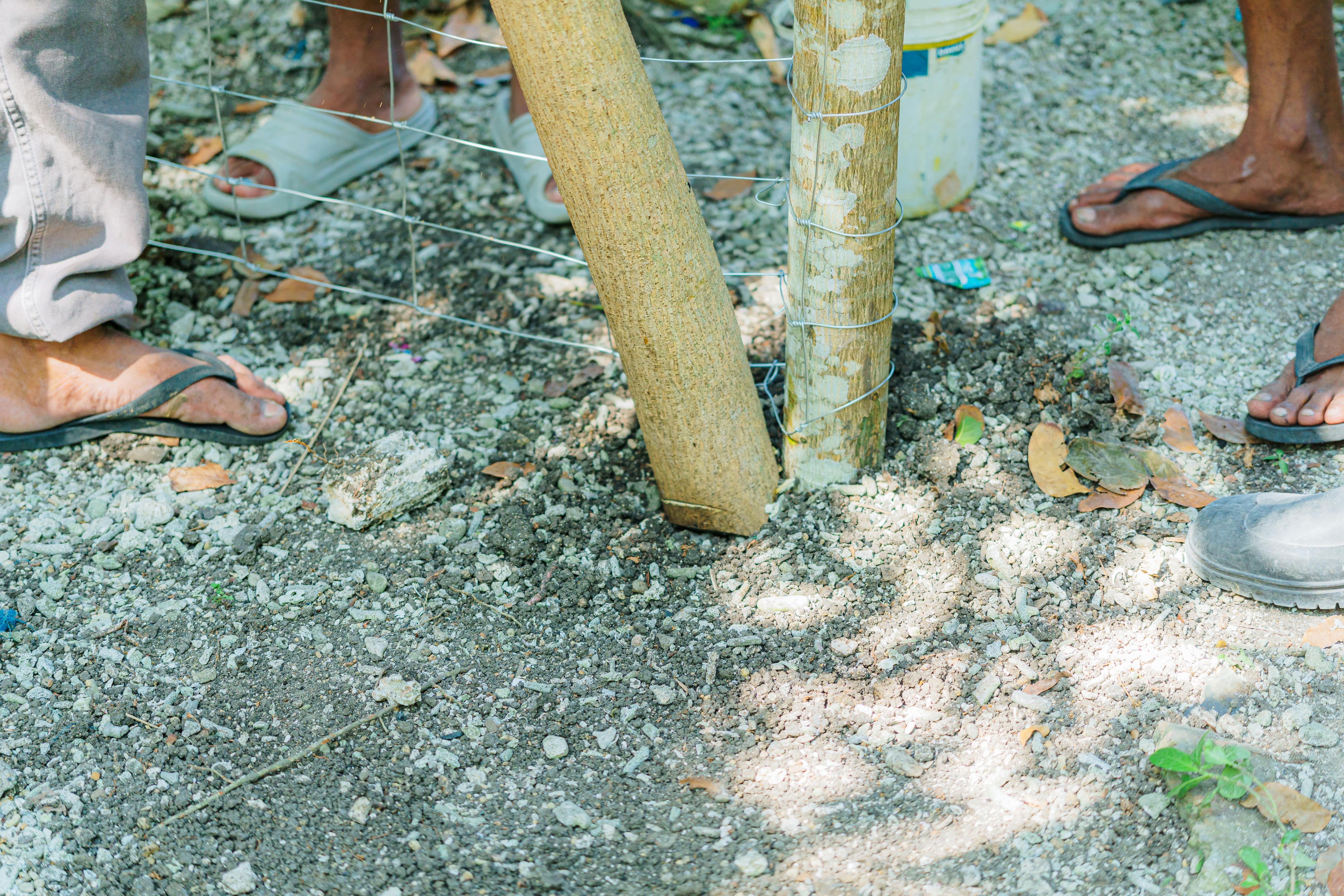
Posts are the backbone of your fence, providing support and stability. They need to be set in concrete and spaced evenly to ensure a sturdy structure.
4. Attaching Panels or Rails
Once the posts are in place, panels or rails are attached. This step varies depending on the type of fence. For example, wood panels might be nailed directly to the posts, while vinyl panels could require special brackets.
5. Finishing Touches
After the main structure is complete, add finishing touches such as gates, post caps, and any decorative elements to enhance the fence's appearance.
Common Challenges and Solutions
Even with proper planning, some challenges may arise during fence installation. Here are a few common issues and how to address them:
- Uneven Ground: If your yard has slopes or varied terrain, consider using stepped or racked fence designs to maintain a level appearance.
- Soil Conditions: Sandy or rocky soil can affect post stability. In such cases, deeper post holes and additional concrete can provide extra support.
- Weather Conditions: Plan your installation during mild weather to avoid problems like concrete setting too quickly or posts shifting due to rain.
Maintenance Tips for Long-Lasting Fences
Once your fence is installed, regular maintenance can extend its lifespan. Here are some simple tips:
- Regular Inspections: Check for signs of damage or decay at least twice a year and after major weather events.
- Cleaning: Clean your fence annually to remove dirt and prevent mold or mildew buildup, especially for wood and vinyl fences.
- Repairs: Promptly address any issues such as loose panels or rust spots to prevent further damage.
Conclusion: Your Fence, Your Choice
Understanding the basics of fence installation can empower you as a homeowner to make decisions that best suit your property's needs. Whether you're upgrading for aesthetic reasons or adding a layer of security, a well-chosen and properly installed fence can provide years of service. For personalized advice and professional installation services in Whitmore, CA, contact Nor Cal Fence today.